Staying Healthy During Holiday Gatherings: Infection Prevention During RSV and Flu Season
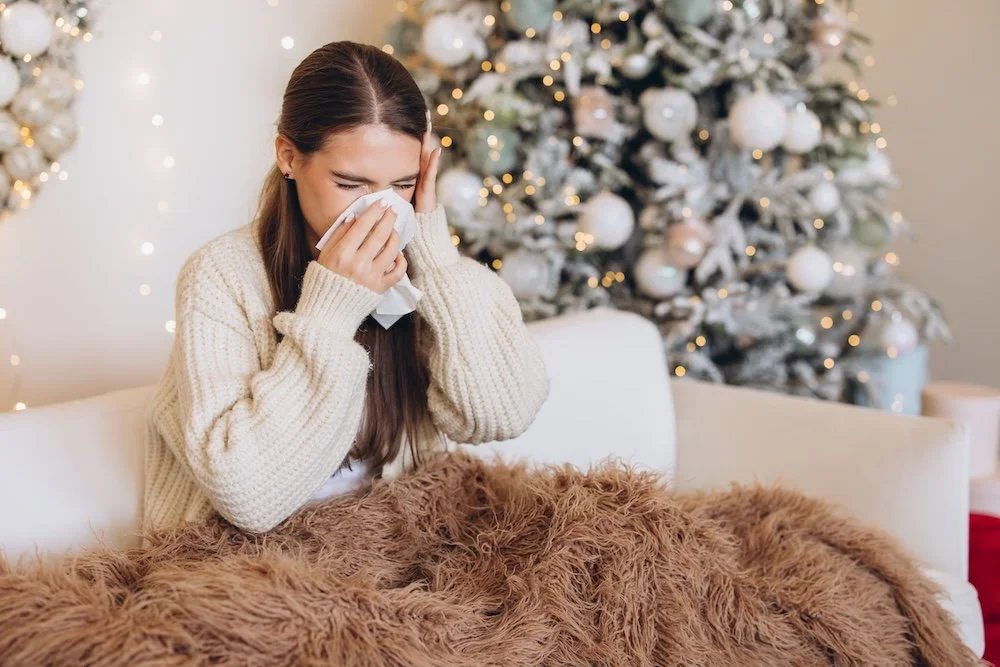
Holiday gatherings don’t have to mean getting sick. Learn practical, evidence-based ways to reduce RSV and flu risk while still enjoying time with loved ones.
Holiday gatherings bring connection, celebration, and time with loved ones. They also coincide with peak respiratory virus season. For many families in Ohio, winter holidays overlap with surges in influenza, RSV, and other respiratory illnesses. This can create anxiety, especially for parents, caregivers, older adults, and anyone with underlying health conditions.
Staying healthy during holiday gatherings is not about avoiding people altogether. It is about understanding risk, taking practical preventive steps, and knowing when and how to act early if symptoms appear. With the right strategies and access to timely care, you can protect yourself and your family while still enjoying the season.
At West Side Concierge Medicine in Fairlawn, Dr. Kelli Peiffer works with patients to create personalized prevention and immune support plans that go beyond generic advice and provide reassurance during the most vulnerable months of the year.
Why RSV and Flu Peak During the Holidays
Respiratory viruses thrive in winter for several reasons. Colder temperatures and lower humidity help viruses survive longer in the air and on surfaces. People also spend more time indoors, increasing close contact and exposure.
Holiday travel, crowded gatherings, and disrupted routines further increase risk. Family events often bring together multiple households, different age groups, and individuals with varying levels of immunity. Even one asymptomatic carrier can spread infection.
According to the Centers for Disease Control and Prevention, influenza activity typically peaks between December and February, while RSV circulation often rises in late fall and winter
Understanding this seasonal pattern helps families make informed choices rather than reacting out of fear.
Who Is Most at Risk During RSV and Flu Season
While anyone can get sick, certain groups are more vulnerable to severe illness or complications.
Older adults face higher risks from influenza and RSV due to age-related immune changes. Young children, especially infants, are more susceptible to RSV. Individuals with asthma, heart disease, diabetes, autoimmune conditions, or compromised immune systems also face increased risk.
The CDC notes that RSV is a leading cause of hospitalization in infants and can also be dangerous for adults over 60, particularly those with chronic conditions
Recognizing risk factors within your household can guide decisions about prevention, timing of gatherings, and early medical care.
Practical Infection Prevention Strategies for Holiday Events
Infection prevention does not require extreme measures, but consistency matters.
Hand hygiene remains one of the most effective defenses. Frequent handwashing with soap and water or the use of alcohol-based sanitizer reduces virus transmission.
Improving ventilation can significantly lower risk. Opening windows when possible, using air purifiers, or gathering in larger rooms helps dilute airborne particles.
Encouraging guests to stay home if they feel unwell is a simple but powerful step. Normalizing this expectation protects everyone and reduces guilt or pressure to attend while sick.
Masking may be appropriate in certain situations, especially for high-risk individuals or during periods of high community transmission. Masks reduce the spread of respiratory droplets and provide added protection indoors
Vaccination as a Foundation of Winter Health
Vaccination is one of the most effective tools for preventing severe illness during flu season. Annual flu vaccines reduce the risk of infection, hospitalization, and complications.
The CDC reports that flu vaccination reduces the risk of flu-related hospitalization by 40 to 60 percent among the overall population when vaccine strains are well matched
Newer RSV vaccines are now available for adults 60 and older, offering additional protection during RSV season. Decisions about vaccination should be personalized based on age, health history, and individual risk factors.
At West Side Concierge Medicine, vaccination discussions are part of a broader preventive strategy rather than a one-size-fits-all recommendation.
Supporting the Immune System Beyond Supplements
Many people look for immune-boosting supplements during the holidays. While certain nutrients, such as vitamin D, zinc, and vitamin C, play roles in immune function, supplements alone are not a substitute for foundational health practices.
Adequate sleep, balanced nutrition, hydration, and stress management all influence immune resilience. Chronic stress and sleep deprivation weaken immune response and increase susceptibility to infection
Concierge care offers personalized immune support protocols that consider lab values, lifestyle, and existing conditions, rather than relying on generic supplement advice.
Early Symptom Recognition and Prompt Treatment
One of the biggest advantages of concierge primary care is early access to care when symptoms begin. Many respiratory illnesses respond best when addressed quickly.
Flu antiviral medications are most effective when started within 48 hours of symptom onset. Early evaluation can reduce illness severity and duration, particularly in high-risk patients
RSV management focuses on symptom monitoring and supportive care, with early assessment helping prevent complications or unnecessary emergency visits.
At West Side Concierge Medicine, patients benefit from direct access to care, timely appointments, and guidance that reduces uncertainty during stressful situations.
Reducing Anxiety With a Clear Plan
Fear of illness often stems from not knowing what to do if someone gets sick. Having a clear plan in place before gatherings reduces anxiety and improves outcomes.
This plan may include knowing when to test, when to isolate, when to call your physician, and how to manage symptoms at home. Concierge care provides continuity, familiarity, and reassurance that someone who knows your medical history is available when you need guidance.
Families in Fairlawn and the greater Akron area value having a trusted primary care partner during high-risk seasons.
Choosing Connection With Confidence This Holiday Season
Holiday gatherings do not have to be overshadowed by fear of illness. With thoughtful prevention, immune support, and early access to care, families can navigate RSV and flu season with greater confidence.
West Side Concierge Medicine offers personalized strategies that empower patients to protect their health without sacrificing meaningful connection. By combining preventive planning with responsive care, Dr. Kelli Peiffer helps individuals and families enjoy the season while minimizing risk.
If staying healthy during the holidays is a priority for you and your loved ones, concierge primary care in Fairlawn provides a proactive, supportive approach designed for real life during winter virus season.