Back-to-School Health Logistics for the Whole Family
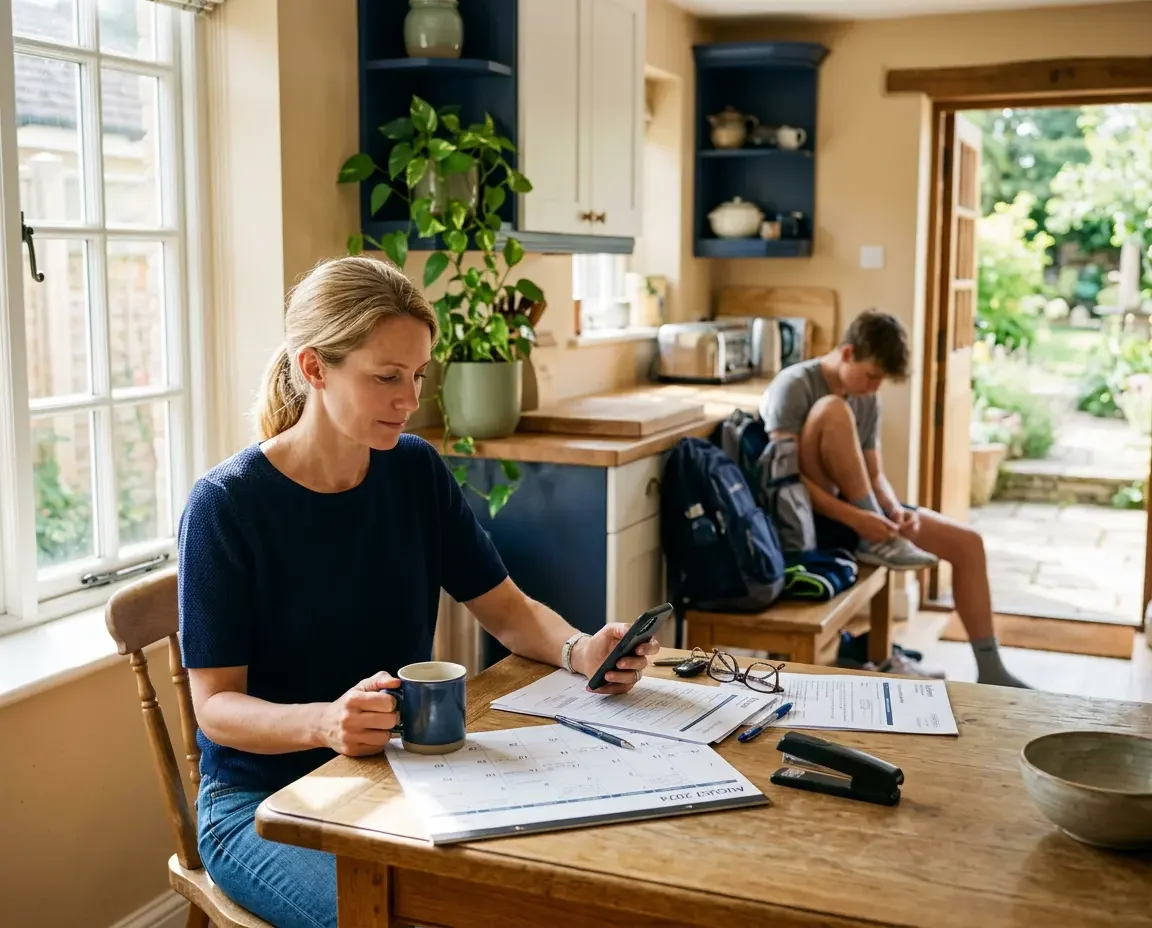
The national average wait for a new patient appointment hit 31 days in 2025, and an OHSAA physical deadline doesn't care about that. Most families spend August compressing six months of deferred healthcare into two weeks, across three providers and three separate portals. Here's what the same week looks like when one physician holds the whole chart.
Last updated: September 2026
Every August, families across Fairlawn and the greater Akron area hit the same wall. School supply lists arrive. Sports schedules get posted. And somewhere in the scramble, a parent realizes she has three different children with three different providers, a spouse who hasn't seen a doctor since last year's flu, and a stack of forms due before the first day of practice. This post is for that parent. As a family medicine physician who has spent 15 years caring for patients from toddlerhood through adulthood, and who now runs a concierge practice built specifically to eliminate this kind of fragmentation, I want to walk through what back-to-school health logistics actually look like when one physician manages the whole household, compared to the system most families are currently living with.
Why August Is a Healthcare Reckoning for Families
Back-to-school season isn't just about backpacks and bus schedules. It's the one time of year when nearly every family's healthcare gaps surface all at once. Sports physicals are due. Well-child visits that got pushed to "sometime this summer" suddenly have a deadline. And parents who have been quietly managing their own symptoms all year, telling themselves they'll deal with it later, run out of "later" as the calendar fills back up with school pickups, practices, and homework.
I see this pattern every year. Families arrive in my office in August carrying six months of deferred healthcare decisions, trying to compress them into two weeks. It doesn't have to work this way, and understanding why it currently does is the first step toward fixing it.
The Before: A Week in the Life of Fragmented Family Care
Here is what a typical back-to-school week looks like for a family managing separate providers for each member of the household:
Monday: Call the pediatrician's office for a sports physical. Learn the next available appointment is three weeks out, which is past the deadline for the fall roster.
Tuesday: End up at an urgent care clinic instead, where a physician who has never met your child performs a brief exam, has no access to prior records, and cannot speak to any ongoing concerns.
Wednesday: Call your own doctor's office to finally address the fatigue and brain fog you've been managing since spring. Get routed to a portal message. Wait for a callback that doesn't come that day.
Thursday: Try to get your spouse to schedule his overdue physical. He doesn't, because the friction of finding time, finding a provider, and sitting in a waiting room outweighs the vague sense that he probably should.
Friday: Realize your younger child's recurring stomachaches, mentioned at the last two well visits, still have no clear plan attached to them because two different providers have seen her and neither has continuity with the other.
None of this is a failure of effort. It's the predictable result of a system where every family member is a separate case file in a separate office, with separate portals, separate wait times, and no single person holding the whole picture.
The After: The Same Week With One Physician
Now here is the same week for a family enrolled with a single concierge physician who knows every member of the household:
Monday: One text message to the practice. The sports physical, the overdue well visit, and your own follow-up on fatigue get scheduled within days, not weeks, because access isn't rationed the way it is in a high-volume practice.
Tuesday: Your child's sports physical is performed by a physician who already has her growth history, her immunization record, and her prior symptom notes on file. She isn't a stranger's ten-minute case; she is a patient with continuity.
Wednesday: Your own visit isn't rushed. There's time to actually talk through the fatigue, ask real questions, and start a plan instead of getting a lab order and a "let's see."
Thursday: Your spouse finally goes, in part because you can text the practice directly and get him in without the usual scheduling friction that has kept him away for two years.
Friday: The recurring stomachaches get real ownership, because the same physician who saw your daughter last spring is the one seeing her now, with the same chart, the same history, and the same relationship.
The difference isn't the medicine. It's the structure around it. One relationship replaces four separate ones, and every visit builds on the last instead of starting over.
What the Research Says About Access and Wait Times
This isn't just anecdotal. National data backs up why families feel this friction every year.
According to AMN Healthcare's 2025 Survey of Physician Appointment Wait Times, the average wait to schedule a new patient appointment across major specialties reached 31 days in 2025, a 19 percent increase since 2022 and a 48 percent increase since the survey began in 2004. The report attributes the trend directly to a worsening physician shortage. The Health Resources and Services Administration projects a shortage of over 57,000 physicians nationally, expected to grow toward 81,000 by 2035.
On the pediatric side, the American Academy of Pediatrics' Bright Futures periodicity schedule recommends annual well-child visits for children starting at age 3 and continuing through age 21. That's a meaningful commitment for a family managing multiple children, especially when appointment access is constrained.
And for families in Ohio specifically, the Ohio High School Athletic Association requires a preparticipation physical evaluation on file before a student's first practice each season, valid for 13 months from the exam date. That deadline is fixed. A three-week wait for an appointment is not a minor inconvenience when a roster spot is on the line.
What West Side Concierge Medicine Actually Handles for Your Family
I see patients from age 12 through adulthood (but will see children of established members for urgent visits ages 2 & up) which means one practice, one chart, and one relationship can realistically cover:
Well-child visits and developmental screenings for children starting at age 12 (vaccinations are directed to a pharmacy or outside provider, the one exception to full-scope pediatric care)
Sports physicals for middle and high school athletes, ages 12 to 18
Sick visits for children with same-day access, rather than a default trip to urgent care
Adult primary care, chronic disease management, and preventive screenings for parents
Perimenopause and menopause care, including in-practice hormone therapy management, for the mothers and caregivers who are often managing everyone else's health before their own
I wrote more about what this looks like in practice in A Doctor for the Whole Family: Why Family Medicine Still Matters. And if you're still deciding whether a concierge model makes sense for your household's budget and needs, What Concierge Medicine Really Means and Why It's Worth the Investment walks through the value question directly.
The Non-Member Urgent Visit: A Low-Risk Way to Start
Not every family is ready to commit to a full membership on day one, and that's a reasonable position. The $125 non-member urgent visit for children ages 2 and up exists for exactly this reason. If your child needs a same-day sick visit and you aren't ready to enroll the whole family, this is a way to meet me, experience the practice, and get real, unhurried care without a long-term commitment.
Many families who start here end up converting to a full membership once they've experienced what same-day, continuity-based pediatric care actually feels like compared to the urgent care rotation. It isn't a sales funnel. It's simply the natural next step once the difference becomes clear firsthand.
Why Longer Visits Change the Whole Equation
Part of why this model works is time. A rushed 15-minute visit doesn't leave room to ask the second or third question, the one that actually explains the stomachaches or the fatigue. I go into this in more depth in How More Time With Your Doctor Leads to Better Health Outcomes, and in How a Relationship With Your Doctor Can Improve Your Health, which speaks directly to why continuity, not just access, is what actually changes outcomes over years.
A Back-to-School Checklist You Can Use This Week
If you're trying to get ahead of the fall scramble, here's a simple starting list:
Confirm your athlete's OHSAA physical is current and valid through the coming season (physicals are valid for 13 months, with exams from May 1 through June 1 carrying through the following spring season)
Schedule any overdue well-child visits for children ages 3 and up, per AAP guidelines
Book your own physical or follow-up if you've been putting off a symptom "until things calm down"
Ask your spouse or partner what's outstanding on their end, and make the appointment for them if that's what it takes
Identify whether any recurring, unresolved symptom in your household has actually been assigned to one physician for ownership, rather than mentioned repeatedly with no clear plan
Where This Leaves Your Family
The goal isn't to add one more task to an already full August. It's to remove the structural friction that makes routine family healthcare feel like a part-time job every fall. A family membership at West Side Concierge Medicine means one physician, one chart, and one relationship covering your toddler, your teenager, your spouse, and you. If you'd like to talk through what that would look like for your specific household before the school year gets underway, you can reach the practice directly at 330-593-2273, book a discovery call, or visit wscmakron.com to learn more.