Healthy Aging Starts With Prevention: Why Personalized Primary Care Matters

Most people don't think seriously about how they want to age until something forces the conversation. By that point, some of the most valuable preventive windows have already closed. Here is what proactive, relationship-based care actually looks like — and why it changes outcomes.
Last updated: May 2026
Most people do not think seriously about how they want to age until something forces the conversation. A parent's health crisis. A diagnosis that arrives earlier than expected. A moment of recognizing that the energy, mobility, or clarity they took for granted is quietly shifting. By that point, some of the most valuable preventive windows have already closed.
This is not a reason for alarm. It is a reason to start now, wherever you are.
The evidence supporting early, consistent preventive care is not ambiguous. People who have access to a physician who knows them, tracks their health over time, and intervenes before problems become crises age differently than those who seek care only when something goes wrong. The gap between reactive and proactive medicine shows up in quality of life, in functional independence, and in the decade-over-decade accumulation of small decisions that determine how you feel at 70, 80, and beyond.
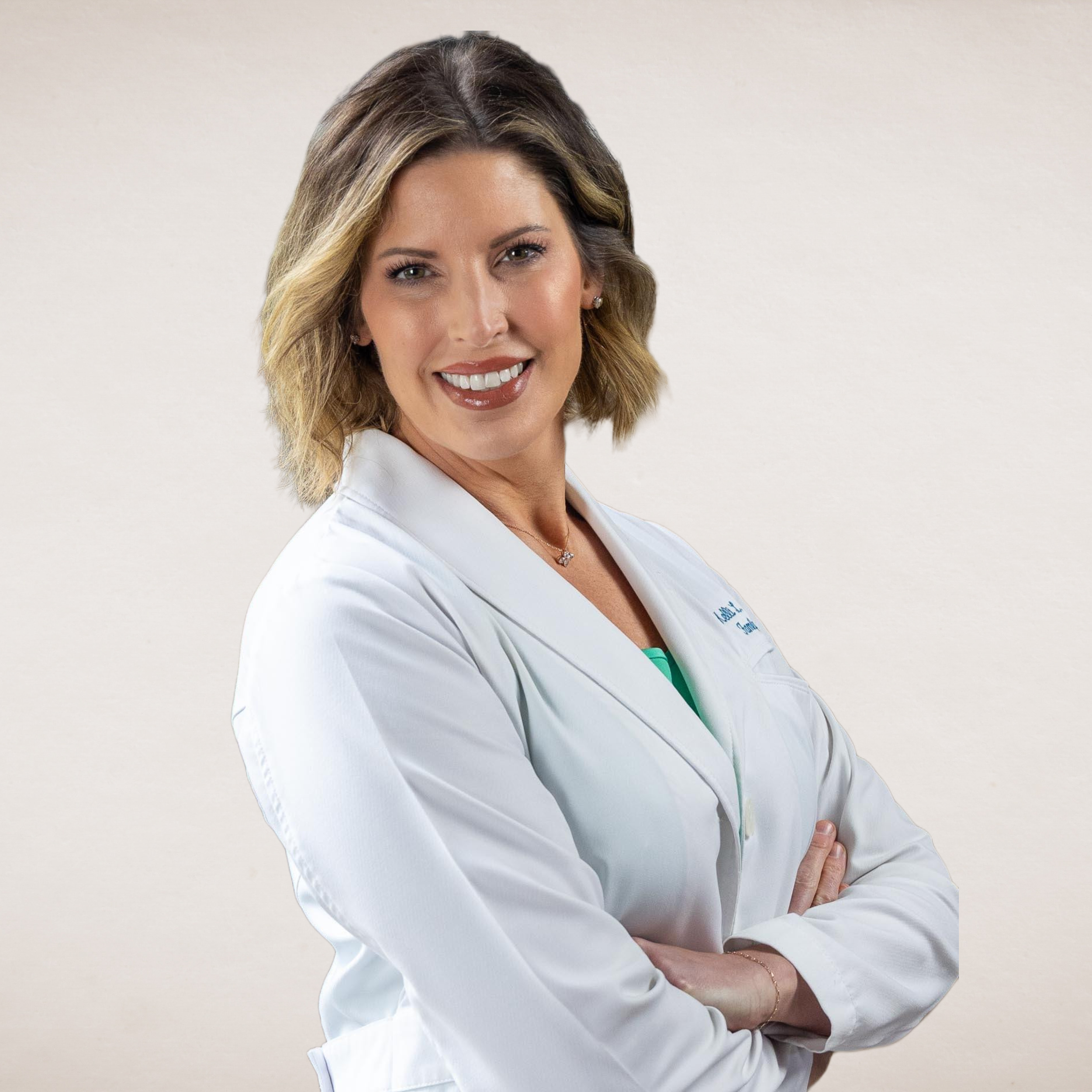
At West Side Concierge Medicine in Fairlawn, Dr. Kelli Peiffer, DO, MSCP, practices the kind of preventive, relationship-based primary care that makes that difference possible.
What Prevention Actually Means
Prevention is not a single intervention. It is not just your annual physical or a recommendation to exercise more. In the context of personalized primary care, prevention is an ongoing, active process that examines where you are now, where your health trajectory is headed, and what can be done to change it for the better.
There are three commonly recognized levels of preventive medicine:
Primary prevention addresses risk factors before disease develops. Optimizing blood pressure, managing cholesterol, improving metabolic health, and supporting bone density in your 40s and 50s are all forms of primary prevention. The goal is to keep the disease from occurring in the first place.
Secondary prevention focuses on early detection. Appropriate screening for breast cancer, cervical cancer, colon cancer, osteoporosis, and cardiovascular risk factors catches problems at a stage when treatment is most effective, and outcomes are best. The difference between a stage-one and a stage-three diagnosis is not merely statistical. It is life-altering.
Tertiary prevention applies when a condition is already present. Managing diabetes, hypertension, or thyroid disease in a way that minimizes complications, preserves function, and maintains quality of life is its own form of prevention, and it requires time, consistency, and a physician who is paying close attention.
All three levels matter. All three require a physician who has enough time in the room, enough knowledge of your individual history, and enough continuity with you as a patient, actually, to do this work well.
The Domains of Healthy Aging
Aging well is not one thing. It is the product of multiple systems staying functional and connected over time. In a conventional care model, each of these systems often gets a separate specialist, a separate referral, and a separate conversation happening in isolation from the others. In a personalized primary care model, one physician holds the whole picture.
The domains that most directly determine healthy aging outcomes include:
Cardiovascular health. The heart and vascular system are central to every other function in the body. Managing blood pressure, lipid levels, weight, and lifestyle factors in your 40s and 50s has measurable effects on cardiovascular health in your 60s and 70s. Cardiovascular disease remains the leading cause of death for women in the United States, according to the American Heart Association, which makes this domain one of the highest-stakes areas for early prevention.
Bone and musculoskeletal health. Bone density peaks in early adulthood and declines from there, with the rate of loss accelerating significantly around menopause. Fractures from osteoporosis are among the most common causes of disability, loss of independence, and premature mortality in older women. Bone health is not a problem to address at 65. The prevention work happens in the decade before and after menopause.
Metabolic health. Blood sugar regulation, insulin sensitivity, weight, and metabolic function are deeply interconnected. Changes in these systems accumulate slowly and often silently, making them easy to overlook until they reach a clinical threshold. Monitoring these markers proactively, before a diagnosis of pre-diabetes or metabolic syndrome, gives you more options and better outcomes.
Cognitive and brain health. Sleep quality, stress levels, hormonal status, cardiovascular health, and physical activity are all documented to be related to cognitive function as we age. Optimizing these factors is not a guarantee against cognitive decline, but it is among the most evidence-supported approaches to supporting brain health over time.
Mobility and physical function. Staying strong, flexible, and physically capable is not just about aesthetics or athletic goals. Functional strength and mobility are among the most powerful predictors of independence and quality of life in later decades. A physician focused on healthy aging considers your physical function not just in the context of today, but also in the context of where you want to be at 75.
Why Time Is the Most Important Clinical Variable
The structural problem with conventional primary care is not that physicians do not care or do not know enough. The model does not give them enough time with any individual patient to do preventive work well. At an average of roughly 18 minutes per visit, a physician seeing 20 to 30 patients per day is constantly making triage decisions. Acute concerns get addressed. Chronic conditions get managed. Preventive planning gets compressed into the last two minutes of a visit, or deferred entirely.
This is not a sustainable model for anyone who wants to age well. Preventive medicine is slow, individualized, and relationship-dependent. It requires knowing what a patient's baseline looks like so changes can be recognized. It requires enough familiarity to notice when something is off before it shows up on a lab panel. It requires time to have the conversations that connect the dots between sleep, hormones, metabolism, cardiovascular risk, and bone health, because these systems do not operate independently.
The concierge model at West Side Concierge Medicine was designed specifically to solve this problem. Dr. Peiffer maintains a small patient panel, which means appointments are longer, access is direct, and the physician-patient relationship deepens over time in a way that actually supports better health outcomes.
The Role of Menopause in Healthy Aging for Women
For women, the menopause transition is not a health footnote. It is a central event in the healthy aging timeline, with downstream effects on nearly every system that determines long-term wellbeing.
Estrogen's role extends far beyond reproduction. It is involved in bone density regulation, cardiovascular protection, brain function, sleep architecture, metabolic efficiency, and skin and connective tissue integrity. When estrogen declines, those systems feel it. Managing that transition well, with an evidence-based approach that accounts for your individual risk profile and symptom picture, is among the most consequential preventive healthcare decisions a woman can make in her 40s and 50s.
Dr. Peiffer holds the Menopause Society Certified Practitioner credential, earned through examination by The Menopause Society, the leading professional authority on menopause and midlife women's health. This credential is not automatically conferred by years of practice or medical school training. It requires active, demonstrated expertise in current evidence, including hormone therapy, non-hormonal management, cardiovascular and bone health during the menopause transition, and the full spectrum of symptoms women experience during perimenopause and beyond.
For women in the Akron and Fairlawn area seeking a menopause-informed primary care physician, the MSCP credential is one of the clearest signals that a provider is equipped to offer genuinely current, evidence-based guidance.
What Personalized Care Looks Like Over Time
The value of a relationship-based practice is not most visible in a single appointment. It compounds over time. A physician who has seen you for three years knows what your energy level typically looks like, what your sleep has been like across different seasons, how your labs have trended, and what your goals are. That context transforms the quality of clinical decisions at every visit.
At West Side Concierge Medicine, care is structured to support that kind of continuity:
Comprehensive annual wellness planning that accounts for your full health picture
Proactive screenings scheduled and tracked over time, not left to the patient to initiate
Direct access by phone, text, or message, so questions get answered before they become problems
Same-day or next-day appointments when something comes up
Coordination with specialists managed by Dr. Peiffer, so your care stays integrated rather than fragmented
Medical weight management and metabolic support as part of a whole-person approach
Hormone and perimenopause care grounded in the most current evidence
Aging Well Is Something You Choose Now
There is a tendency to treat healthy aging as something that happens to lucky people or as the reward for good genes. The research does not support this view. The choices made in midlife, specifically how consistently someone engages with preventive care, manages modifiable risk factors, and builds a relationship with a physician who helps them stay ahead of problems, have significant effects on health and function in later decades.
The clearest thing West Side Concierge Medicine offers is not a single treatment or a specific service. It is the experience of having a physician who has time for you, knows you well, and is actively working with you on the health you want to have twenty years from now.
If you are ready to approach your health as an investment now, Dr. Peiffer is accepting new patients at West Side Concierge Medicine in Fairlawn, Ohio. Scheduling a discovery call is the first step. Visit wscmakron.com to get started.