Why Women in Their 40s and 50s Need a Different Approach to Healthcare

By your mid-40s, the steady state of your 30s is over. Not because something has gone wrong, but because your body is doing something genuinely complex — and the standard 15-minute primary care visit was never designed to meet it.
Last updated: May 2026
The annual physical you had at 35 was probably straightforward. Blood pressure, cholesterol, and maybe a conversation about sleep or stress. You walked out with a clean bill of health and an appointment card for the following year. That model worked reasonably well when your body was operating in a kind of steady state.
By your mid-40s, that steady state is over. Not because something has gone wrong, but because your body is doing something genuinely complex, and the standard 15-to-20-minute primary care visit was never designed to meet that complexity. The changes happening during midlife are not incidental. They are systemic, interconnected, and, if addressed early, highly manageable. But they require a physician who understands them.
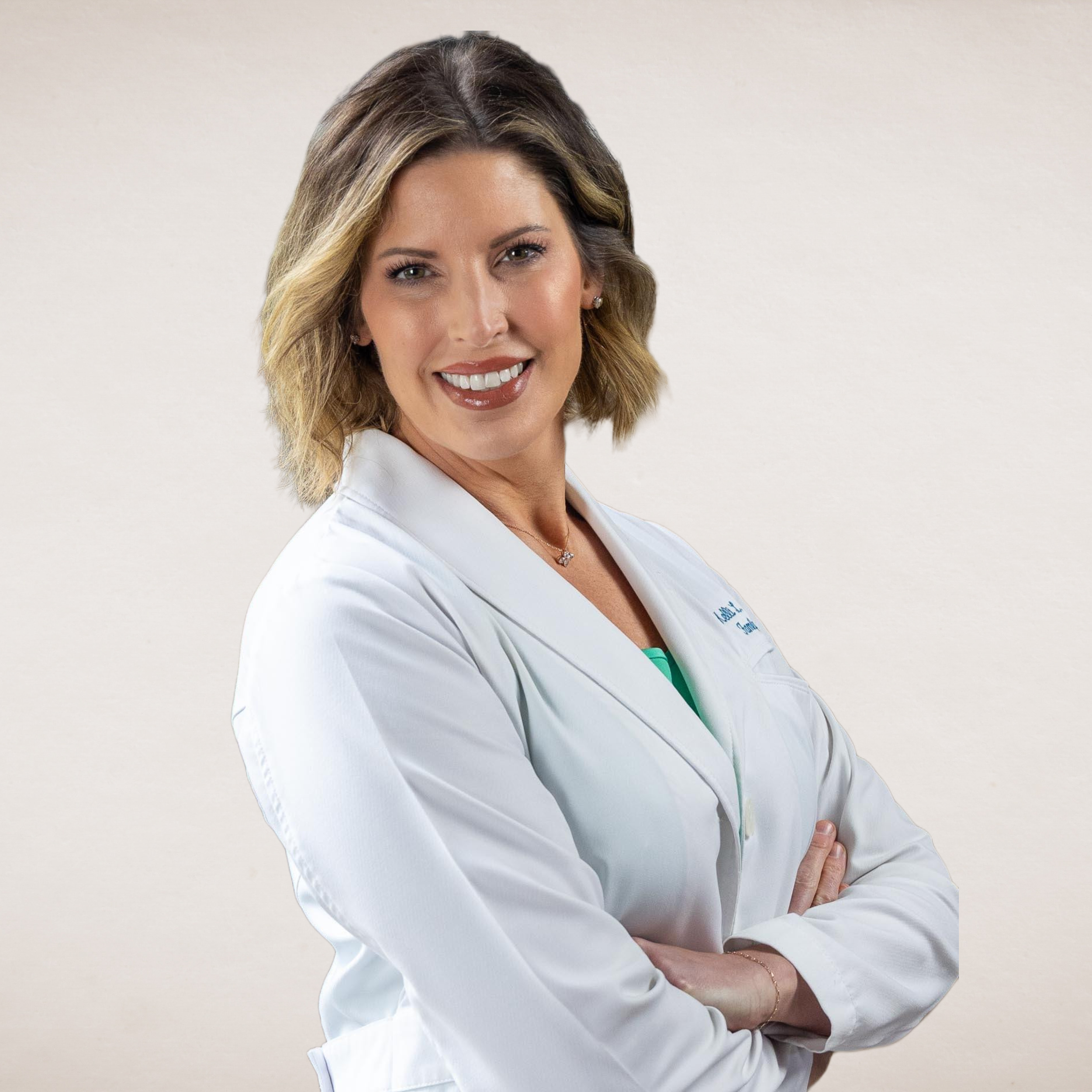
At West Side Concierge Medicine in Fairlawn, Dr. Kelli Peiffer, DO, MSCP, was built for exactly this moment in a woman's health.
What Actually Happens in Your 40s and 50s
Perimenopause can begin as early as your mid-30s, though most women notice meaningful changes somewhere between 40 and 50. What makes this phase difficult to navigate is that the changes are rarely dramatic at first. They arrive in clusters, spread across systems you may not immediately connect to hormones.
The most common experiences women describe during perimenopause and early menopause include:
Sleep disruption that does not respond to standard sleep hygiene advice
Fatigue that persists even after adequate rest
Irregular cycles and unexpected bleeding patterns
Brain fog and difficulty concentrating
Mood shifts, including new or worsening anxiety
Hot flashes and night sweats
Changes in metabolism, including weight gain that does not respond to previous diet and exercise habits
Joint discomfort
Changes in libido and vaginal health
None of these symptoms is imaginary. None of them is simply "aging." Each one has a physiological explanation rooted in declining estrogen, fluctuating progesterone, and changes in how other hormones respond downstream. And each one deserves clinical attention, not reassurance that everything is fine.
The Problem with Standard Primary Care for Midlife Women
The average primary care visit in the United States runs about 18 minutes, and in that time, a physician is expected to address presenting concerns, review labs, manage any existing chronic conditions, complete documentation, and move on to the next patient.
For a 45-year-old woman presenting with fatigue, irregular sleep, new anxiety, and a 10-pound weight gain she cannot explain, 18 minutes is not enough. When a physician does not have adequate time, symptoms get triaged. Some get addressed; others get deferred or attributed to stress. Women leave without answers, often feeling dismissed or, worse, wondering whether they are overreacting.
This is a structural problem in conventional medicine, not a personal failing of individual physicians. But it has real consequences for women in midlife, whose healthcare needs have genuinely shifted into a more complex register.
Why Preventive Care Becomes More Important, Not Less
There is a common misconception that once you are past your reproductive years, preventive care becomes less urgent. The opposite is true.
The menopause transition represents a critical window for cardiovascular and skeletal health. Estrogen plays a protective role in both systems, and its decline during perimenopause and menopause is associated with meaningful shifts in risk.
Cardiovascular risk. Cardiovascular disease is the leading cause of death in women, and research published in PMC (Lambrinoudaki et al., 2022) notes that postmenopausal women experience a steeper increase in systolic blood pressure compared to premenopausal women, in addition to other cardiovascular risk changes associated with estrogen decline. Early identification of risk factors and proactive management can significantly alter long-term outcomes.
Bone density. Bone loss accelerates in the first five to ten years after menopause, making the years surrounding menopause the most important window for prevention.
Metabolic health. Changes in body composition, insulin sensitivity, and lipid profiles are well-documented during the menopause transition. Women who have maintained a stable weight for years often notice changes that do not respond to their habits, which are physiological shifts that warrant clinical attention, not character assessments.
Brain and mood health. Estrogen has a direct role in brain function, including sleep regulation, mood stability, and cognitive performance. The brain fog and mood changes women frequently report during perimenopause are real neurological phenomena, not emotional reactivity.
Addressing these risk areas early, before they compound, is precisely what preventive medicine is designed to do. The 40s and 50s are not the time to coast on last year's physical results.
The Difference an MSCP Makes
Not all physicians are equally prepared to address women's health in midlife. The Menopause Society Certified Practitioner (MSCP) credential is earned through a rigorous competency examination administered by The Menopause Society, the leading professional society in this field. Passing the exam requires demonstrated expertise across hormone therapy, non-hormonal management, cardiovascular risk, bone health, genitourinary changes, sexual health, and the full clinical picture of the menopause transition.
According to The Menopause Society, the credential was developed specifically to help women identify clinicians who can provide optimal menopause-related healthcare. It is not a participation certificate. It requires active study, successful examination, and ongoing continuing education to maintain.
Dr. Peiffer holds this credential. For women in the Akron and Fairlawn area who are navigating perimenopause or menopause, this distinction matters. It means your physician has done the work to understand the full evidence base for hormone therapy, knows how to weigh the individual risks and benefits for your specific situation, and is not operating from outdated guidelines or incomplete information. The menopause field has evolved significantly in the past two decades. An MSCP is current on that science in a way that many general practitioners are not.
What Relationship-Based Medicine Looks Like in Practice
At West Side Concierge Medicine, Dr. Peiffer sees a limited panel of patients precisely because relationship-based care requires time and attention that a large patient panel makes impossible. Appointments are not rushed. There is time to actually talk through what is happening, ask the questions you have been sitting on, and build a plan that fits your life rather than a generic protocol.
This matters for midlife women specifically because the questions are often layered. A conversation about sleep disruption can turn out to be connected to hot flashes, which connect to hormone status, which connects to cardiovascular risk and bone health. Following that thread takes more than 18 minutes. It takes a physician who knows you, knows your history, and has enough time in the room to actually think.
The membership model at West Side Concierge Medicine also includes:
Unlimited office visits
Same-day or next-day appointment availability
Direct messaging and telemedicine access
Coordination with specialists when referrals are needed
Preventive screenings and personalized wellness planning
Perimenopause and menopause symptom management grounded in current evidence
A New Era in Women's Healthcare
The theme of National Women's Health Week 2026 is "Prevention, Innovation, and Impact: A New Era in Women's Health." That framing is not aspirational. It is a description of what is possible when women have access to a physician who takes midlife health seriously as a clinical priority.
The innovation is not new technology. It is a model of care that gives women enough time, enough access, and enough expertise to actually address what is happening in their bodies during one of the most complex health transitions of their lives.
If you are in your 40s or 50s and you have been managing your symptoms on your own, postponing the conversation, or walking out of appointments feeling like your concerns were noted but not heard, this is an invitation to expect more from your healthcare.
If anything in this post sounds familiar — the symptoms your current doctor hasn’t addressed, the questions you’ve been researching without satisfying answers — the next step doesn’t have to be a full commitment.
I offer a Women’s Health Consultation: a 60- to 90-minute appointment, no membership required, designed specifically for women navigating perimenopause or menopause who want a complete, evidence-based evaluation of where they are and what their options are. It includes a full review of your symptom history, lab interpretation if relevant, and a genuine conversation about hormone therapy — what the evidence says, what it might mean for you, and what a treatment plan would look like.
The consultation is $425. There’s no pressure to become a member. Many patients use it as a starting point; some find it’s exactly what they needed and move forward with ongoing care. Either way, you leave with information and a plan.