Same-Day Sick Child Visits: Why West Side Concierge Medicine Means No More Urgent Care Waiting Rooms
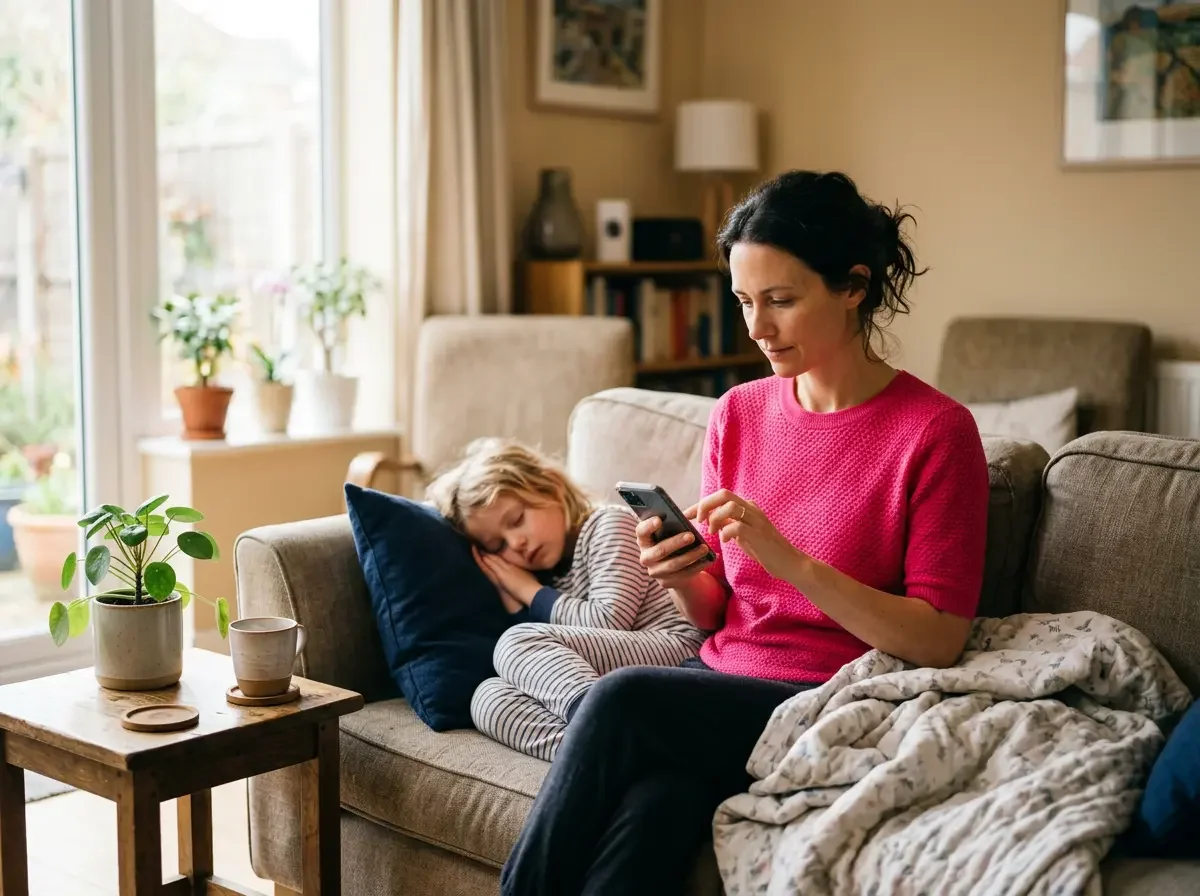
It is 7:40 a.m., your seven-year-old has a fever, and the earliest pediatrician opening is Thursday. So you load him into the car and drive to urgent care, where you will explain his entire history to someone meeting him for the first time. There is a version of that morning where you just send a text instead.
Last updated: July 2026
It's 7:40 a.m., and your seven-year-old is on the couch with a fever, a sore throat, and no interest in breakfast. You call your pediatrician's office. The earliest sick visit is Thursday, three days away. So you do what most parents in this situation do. You pack up your child, drive to urgent care, sit in a waiting room full of strangers, and repeat your child's entire medical history to a provider who has never met either of you.
This scenario plays out constantly for families in Fairlawn and the greater Akron area, and it is exactly the gap same-day access at West Side Concierge Medicine is built to close. This post walks through what actually happens when a message goes directly to me instead of to an urgent care front desk, why that difference matters clinically and not just logistically, and how families can use this access starting today.
The Same-Day Problem Most Families Are Living With
Most families in this market are not choosing urgent care because they prefer it. They are choosing it because their pediatrician's office cannot see them fast enough. A few patterns show up again and again:
The pediatrician's office is booked out days for a sick visit, so urgent care becomes the default rather than a backup plan.
The child is seen by whichever provider happens to be on shift that day, not a physician who already knows their history.
Parents retell the same details (allergies, prior ear infections, that one medication reaction) to someone meeting the child for the first time.
There is little to no follow-up connection between the urgent care visit and the child's regular medical record.
Nationally, this pattern is well documented. Emergency department visits for children numbered around 30 million annually as of 2015, and the overwhelming majority (roughly 97 percent) were treat-and-release visits that likely did not require an emergency-level setting at all (according to 2019 data reporting on pediatric urgent care market data). That is a lot of families defaulting to acute, disconnected care simply because same-day primary care access was not available to them.
What Happens When You Text Me Instead of Driving to Urgent Care
Here is the practical difference. When a West Side Concierge Medicine family sends a message that their child has a fever, a cough, or an ear pulling episode, here is what happens on my end:
I already have the child's chart open, including their prior visits, medication history, and anything relevant from a well-child exam earlier that year.
I can ask a few clarifying questions by text or a quick call, often before the family has even left the house.
I can typically offer a same-day appointment, because I am not managing a volume-based schedule built around seeing as many patients as possible in a day.
If the visit does need in-person evaluation, the child is seen by me, not a rotating provider they have never met.
Follow-up, if needed, happens with the same physician who saw them originally, not a disconnected referral back to "your regular doctor."
In my own words: I built this practice specifically so that a sick child's parent never has to choose between waiting three days for an appointment and sitting in an urgent care waiting room with a stranger. When a family texts me that their child has a fever at 6 a.m., I already know that child. That is the entire point of concierge family medicine.
Why Continuity of Care Changes the Outcome, Not Just the Experience
Same-day access is not only about convenience. Continuity of care, meaning care from a physician who already knows the patient, has a measurable effect on how children are managed after an acute visit. A study published in Pediatrics comparing pediatric urgent care and emergency department visits among Medicaid-enrolled children found that emergency department visits had a meaningfully higher rate of return visits within seven days (8.4 percent versus 6.9 percent) and a higher rate of follow-up with a primary care physician afterward (22 percent versus 17.2 percent). In other words, care delivered outside a child's regular medical home tends to generate more loose ends, not fewer.
When I see a sick child, I am not treating an isolated symptom. I am folding that visit into everything I already know: their growth pattern, their prior illnesses, whether this fever fits a pattern we have seen before or looks different. That context does not exist when a child is seen by a new provider at an urgent care center for the first and only time. This is the same principle explored in How More Time With Your Doctor Leads to Better Health Outcomes: a physician who already has context on a patient catches things a first-time provider cannot.
The Real Cost of the Urgent Care Default
Beyond the clinical argument, there is a financial one. Pediatric urgent care visits typically cost between 100 and 200 dollars without insurance, and that figure climbs quickly once diagnostic testing or procedures are involved. The same Pediatrics study found that median payments for pediatric urgent care visits were roughly half those of emergency department visits for comparable low-acuity concerns. Multiply either of those numbers across the two, three, or four sick visits most children have in a given year, and the cost of not having same-day access to a physician who already knows your child adds up fast.
For families evaluating whether a membership at West Side Concierge Medicine makes financial sense, this is part of the calculation worth running. A membership is not simply paying for access. It is often replacing a pattern of avoidable urgent care visits with a single relationship that handles the same need at a lower per-visit cost and a much higher level of continuity.
How This Works in Practice for West Side Families
Consider a composite example drawn from the kind of visits I see regularly, with identifying details changed. A mother messaged me on a Sunday evening because her four-year-old had developed a low-grade fever and was pulling at his ear. I already had his chart open from a well-child visit two months earlier, including a note that he had two prior ear infections that season. Because I could see that pattern immediately, I was able to bring him in first thing the next morning, examine him myself, and start treatment without the family retelling his entire ear infection history to someone new. That kind of visit, repeated over years, is what a lot of parents describe wanting and rarely finding. It's also the same continuity theme covered in A Doctor for the Whole Family: Why Family Medicine Still Matters.
For families who are not yet full members, the non-member urgent child visit ($125, ages 2 and up) functions as a low-commitment way to experience this firsthand. A parent whose child needs an urgent visit can be seen by me directly, without first joining as a member, and can decide afterward whether ongoing membership makes sense for their family. Details on membership tiers and this visit type are available on our Membership & Services page.
When Your Child Wakes Up Sick, This Is the Number to Call
The next time your child wakes up with a fever, a cough that will not quit, or a stomachache that has you second-guessing whether it is worth a doctor's visit, you have an alternative to the urgent care default. West Side Concierge Medicine families can reach me directly, and non-members can access the same-day urgent visit as a first step toward finding out what concierge family care actually feels like.
If you're still weighing whether a membership model like this makes sense for your family, What Concierge Medicine Really Means, and Why It's Worth the Investment walks through the value case in more detail. You can also learn more about my background and approach or schedule a discovery call. You can reach the office directly at 330-593-2273 or visit wscmakron.com.